Tree Trimming Practices for Columbus, OH Homes Before Summer Storms Arrive
The Hidden Tree Hazards Columbus Homeowners Ignore Until Summer Storms Strike
One of the biggest storm risks on your property may be standing right in your yard.
Every summer, Columbus homeowners deal with severe thunderstorms, powerful wind gusts, lightning, and saturated soil conditions that can turn neglected trees into serious hazards. A branch that seems stable on a calm afternoon can come crashing down during a storm, damaging roofs, vehicles, fences, outdoor living spaces, and anything else in its path.
The reality is that most storm-related tree damage is not caused by unusually severe weather. It happens because warning signs were overlooked for months or even years.
Dead limbs, overgrown canopies, weak branch attachments, and hidden decay often go unnoticed until a summer storm exposes the problem. By then, homeowners are left dealing with property damage, cleanup, and emergency tree service.
For homeowners across Columbus, Dublin, Westerville, Hilliard, Grove City, and surrounding Central Ohio communities, proactive tree trimming is one of the most effective ways to reduce storm-related risks before severe weather arrives.
At Tree Fell-ows & Stumps, we help homeowners identify vulnerable trees, remove potential hazards, and improve tree structure so their properties are better prepared for Ohio's storm season.
In this guide, you'll learn the warning signs that indicate a tree may need attention, the best pruning practices for storm resistance, and why professional tree trimming can help protect both your trees and your property.
Why Summer Storms Create Serious Risks for Columbus Trees
Central Ohio experiences frequent summer thunderstorms that bring strong winds and heavy rainfall. While healthy trees are designed to withstand normal weather conditions, structural weaknesses can quickly become dangerous when storms arrive.
Mature maples, oaks, sycamores, and other common Columbus tree species often develop issues that are not immediately visible from the ground. Internal decay, deadwood, weak branch unions, and overcrowded canopies can all increase the likelihood of branch failure during severe weather.
Heavy rain creates an additional challenge. Saturated soil can reduce root stability, making weakened trees more susceptible to failure when strong winds push against large canopies.
This combination of wind and wet soil is why summer storm preparation should include more than checking gutters and securing patio furniture. Trees deserve the same level of attention.
Signs Your Trees May Need Trimming Before Storm Season
Not every tree requires annual pruning, but there are several warning signs that should never be ignored.
Dead or Dying Branches
Dead limbs are among the most common causes of storm-related tree damage.
Because these branches no longer receive nutrients, they become brittle and increasingly vulnerable to breakage during high winds.
Common signs include:
* Missing bark
* Cracked wood
* Hollow sections
* Fungal growth
* Limbs that fail to produce leaves during the growing season
Removing deadwood is one of the simplest ways to reduce storm hazards while improving overall tree health.
Branches Hanging Over Your Home
Branches extending over roofs, garages, driveways, patios, and outdoor gathering areas deserve special attention.
Even healthy limbs can fail during severe weather. When those branches are positioned above valuable structures, the consequences can be significant.
Regular pruning helps reduce the risk of unexpected damage during summer storms.
Dense, Overgrown Canopies
Many homeowners assume a fuller canopy means a healthier tree.
In reality, overly dense canopies can create excessive wind resistance during storms. Strong gusts place greater stress on branches, trunks, and root systems.
Strategic canopy thinning improves airflow and helps trees withstand severe weather more effectively.
Crossing or Rubbing Branches
When branches repeatedly rub against one another, they create wounds that can attract insects, disease, and decay.
These weakened areas often become failure points during storms.
Corrective pruning eliminates these issues before they develop into larger structural problems.
Signs of Disease or Decay
Trees showing evidence of decline should be evaluated as soon as possible.
Warning signs may include:
* Mushrooms growing near the base
* Cavities in the trunk
* Peeling bark
* Significant deadwood
* Large cracks in major limbs
A professional assessment can determine whether pruning, treatment, or removal is the safest solution.
Best Tree Trimming Practices for Storm Resistance
Effective storm preparation involves much more than cutting back overgrown branches.
Professional pruning focuses on improving structural integrity while supporting long-term tree health.
Prioritize Structural Pruning
Structural pruning helps create a stronger framework throughout the tree.
Benefits include:
* Better branch spacing
* Improved weight distribution
* Reduced risk of branch failure
* Greater wind resistance
Both young and mature trees benefit from proper structural pruning.
Remove Weak Branch Attachments
Branches that grow at narrow angles often develop weak attachment points.
These limbs are significantly more likely to split during severe weather.
Removing or reducing problematic branches before storm season lowers the risk of failure.
Thin Canopies Strategically
Proper canopy thinning allows wind to move through the tree more easily.
The goal is not to remove large amounts of foliage. Instead, selective pruning reduces wind resistance while preserving the tree's natural form and health.
Eliminate Dead, Diseased, and Damaged Limbs
Compromised branches are often the first to fail during storms.
Removing them proactively reduces hazards and allows the tree to focus resources on healthy growth.
Maintain Safe Clearance Around Structures
Trees should maintain adequate separation from:
* Homes
* Garages
* Utility lines
* Driveways
* Walkways
* Outdoor living spaces
Routine trimming helps prevent conflicts before they become emergencies.
Common Tree Trimming Mistakes That Increase Storm Risk
Improper pruning can make trees less stable rather than more resistant to storms.
Tree Topping
Some homeowners attempt to reduce storm risk by cutting large sections from the top of a tree.
This practice often produces weak regrowth, poor structure, and increased susceptibility to future damage.
Proper pruning techniques achieve safer results without compromising the tree's health.
Removing Too Much Foliage
Excessive pruning places unnecessary stress on trees.
Healthy foliage is essential for energy production and recovery. Removing too much at once can weaken the tree and reduce its ability to withstand environmental stress.
Improper Pruning Cuts
Poor cut placement can create large wounds that heal slowly and become entry points for insects and decay.
Professional arborists understand how to make cuts that support proper healing and long-term stability.
Attempting Dangerous DIY Work
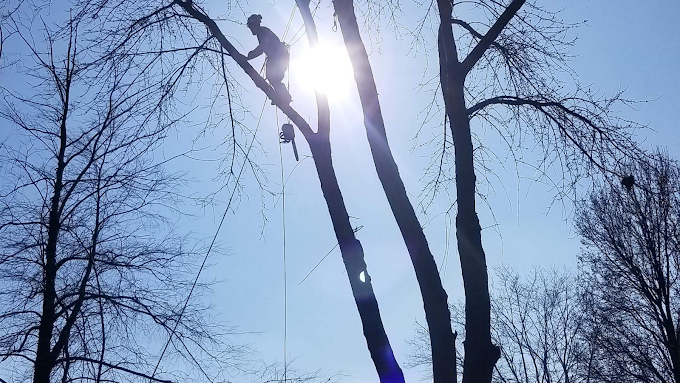
Working around large limbs, elevated canopies, and power lines creates serious safety risks.
Professional crews have the equipment, training, and experience necessary to perform the work safely and efficiently.
Why Professional Tree Trimming Is Worth It
Storm preparation is only one benefit of regular tree maintenance.
Professional trimming can also provide:
* Improved tree health
* Enhanced property safety
* Better curb appeal
* Reduced likelihood of emergency tree service
* Stronger long-term tree structure
Most importantly, proactive maintenance helps homeowners address potential hazards before severe weather turns them into major problems.
Schedule Your Storm Readiness Tree Assessment Today
Summer storms do not wait for tree problems to fix themselves.
If you have dead branches, overgrown limbs, trees near your home, or concerns about storm damage, now is the time to act.
The team at Tree Fell-ows & Stumps provides professional tree trimming services throughout the Columbus area, helping homeowners identify risks and improve tree safety before severe weather arrives.
Schedule your free on-site consultation today and make sure the trees on your property are ready for whatever this summer brings.